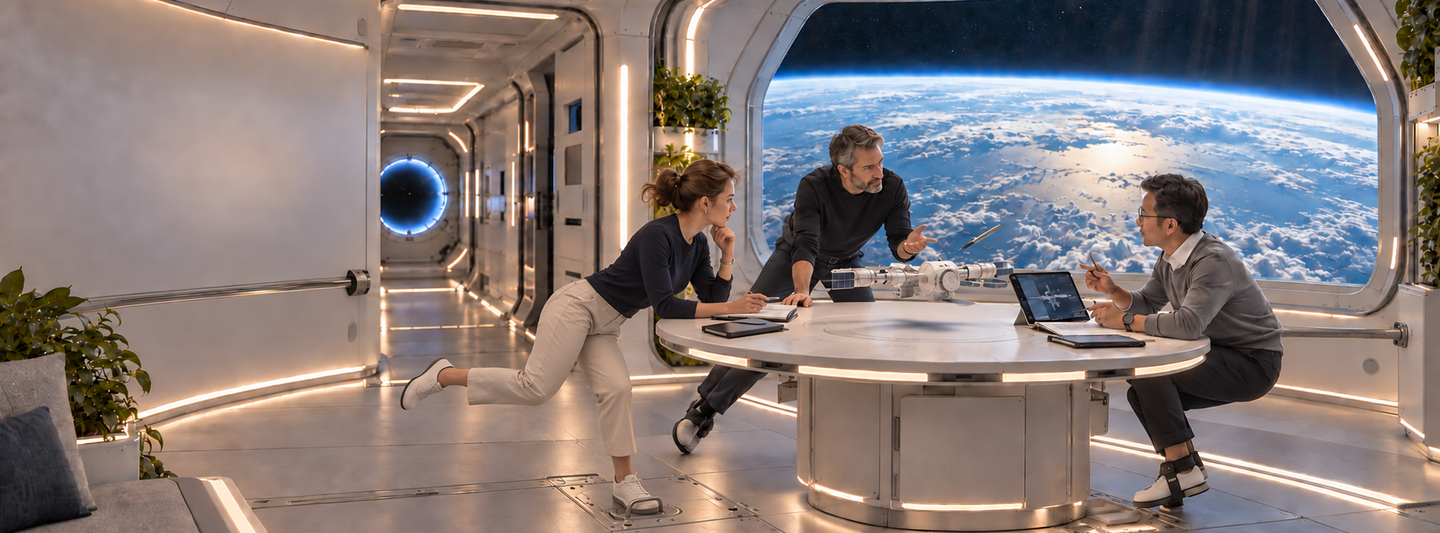
© AI Generated
Space Architecture for the New Space Age
3-Day Executive Course • Space Architecture • Human Exploration • The New Space Economy
Establishing a sustainable human presence beyond Earth requires more than technological innovation—it demands new approaches to design, operations, and strategy. This intensive three-day course explores the principles of space architecture and habitability, the operational realities of human spaceflight, and the strategies shaping future exploration and the New Space Economy.
From Vision to Space Infrastructure
Participants will discover how architecture, human factors, technology, and business converge to enable sustainable human life beyond Earth. Combining expert lectures, case studies, and interactive workshops, the course provides both strategic insights and practical tools for professionals working at the intersection of space exploration, design, and innovation.
Learn from Leading Space Experts
The course brings together three internationally renowned experts who combine architectural, operational, and strategic perspectives. Reinhold Ewald, former ESA astronaut and Mir crew member, brings first-hand experience of living and working in space. Sandra Häuplik-Meusburger, space architect, researcher, and Academic Director of the Executive MBA in Space Architecture & Management, contributes expertise in habitability and human-centred habitat design. Brent Sherwood, space architect and former Senior Vice President at Blue Origin, provides strategic insights into future exploration architectures, commercial space development, and long-term human settlement beyond Earth.
The program at a glance
| Language: | English |
| Tuition: | EUR 1,625,- (excluding travel and accommodation costs) |
| Certification: | Certificate from TU Wien |
| Registration: | If you are not yet enrolled with TU Wien Academy, please complete this application form, opens in new window and email it together with your CV including a portrait photo and a copy of your passport to compact-programs@tuwien.ac.at. |
| Dates: | Friday, December 4 – Sunday, December 6, 2026 |
- Gain first-hand insights from internationally recognised experts in space architecture, human spaceflight, and commercial space; and a former astronaut
- Understand how architecture, engineering, human factors, and strategy shape sustainable human presence beyond Earth.
- Learn from real-world case studies covering the ISS, lunar habitats, commercial space stations, and emerging exploration missions.
- Develop practical frameworks for evaluating technologies, innovation opportunities, and strategic decisions in the space sector.
- Build valuable connections with professionals, researchers, and decision-makers from academia, industry, and the New Space ecosystem.
The course is designed for specialists, executives, and MBA participants interested in space exploration, innovation, technology strategy, and the development of future space ecosystems.
Benefit from the many advantages the program offers you:
- Learn from leading space experts: Gain first-hand insights from internationally renowned experts in space architecture, human spaceflight, and space exploration.
- Connect different perspectives: Explore how architecture, human factors, operations, technology, and strategy come together in the design of future space environments.
- Bridge theory and practice: Work with real-world examples, lessons learned from past and current missions, and emerging concepts for living and working beyond Earth.
- Engage in direct exchange: Benefit from an intensive three-day format that encourages discussion, reflection, and exchange with experts and fellow participants.
- Expand your network: Connect with professionals from different disciplines and become part of the TU Wien Academy network.
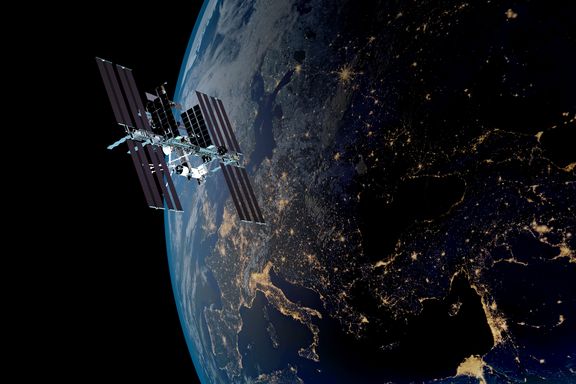
© Adobe Stock | Sasa Kadrijevic
Gain first-hand insight into life and work aboard the ISS.
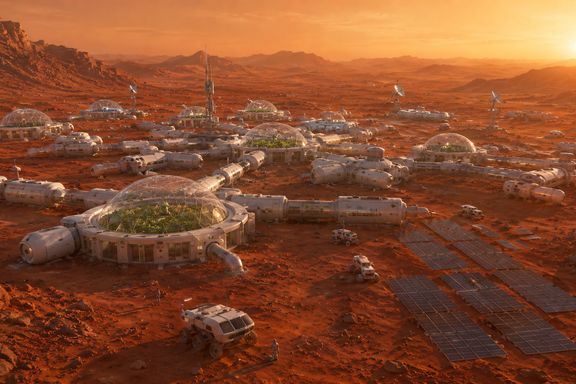
© Adobe Stock | Kristina
Discover how future space habitats are designed.
Designing Space Today, Enabling Exploration Tomorrow
Daily Schedule
09:00–12:00 Expert Lectures
12:00–13:00 Lunch
13:00–18:00 Workshop, Case Studies & Discussion
Program
Day 1 : Space Architecture and Habitability
Sandra Häuplik-Meusburger
Designing human habitats beyond Earth: evolution of space habitats, lessons learned, habitability, isolated and extreme environments, commercial space missions, in-space manufacturing, and large orbital structures.
Day 2: Living and Working in Space. Operational Reality
Reinhold Ewald
An astronaut's perspective on daily life aboard the ISS, crew operations and teamwork, human factors, lessons learned from long-duration missions, and what engineers and architects often overlook.
Day 3: Expanding Humanity Beyond Earth
Brent Sherwood
Exploration architectures, mission design, lunar and Martian development pathways, the New Space Economy, and the transition from missions to sustainable human settlements.
The Lecturers
Sandra Häuplik-Meusburger
Space architect, researcher, and Chair of the Moon Village Association's Architectural Concepts Working Group. Academic Director of the Executive MBA in Space Architecture & Management at TU Wien Academy.
https://www.linkedin.com/in/haeuplikmeusburger/, opens an external URL in a new window
Reinhold Ewald
Former ESA astronaut and Professor for Astronautics and Space Stations. Former crew member of the Mir space station with extensive experience in human spaceflight operations.
Brent Sherwood
Space architect and former Senior Vice President for Space Systems Development, Blue Origin. International expert in future exploration architectures, commercial space development, and long-term human settlement beyond Earth.
https://www.linkedin.com/in/brent-sherwood-73899b/, opens an external URL in a new window


